1. Introduction: The Thyroid-Metabolism Axis
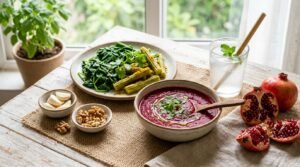
Following a targeted hypothyroidism diet for weight loss is essential for restarting a stalled metabolism and overcoming chronic lethargy.
The thyroid gland—a small, butterfly-shaped endocrine organ resting at the base of the anterior neck—is the master thermodynamic thermostat of the human body. Every single cell possesses nuclear receptors for thyroid hormones, which regulate Basal Metabolic Rate (BMR), mitochondrial ATP production, heart rate, body temperature, intestinal motility, and lipid oxidation.
In India, thyroid disorders represent a hidden public health epidemic, with an estimated 42 million people suffering from thyroid dysfunction. Hypothyroidism is approximately three to four times more common in women than men, frequently emerging during periods of acute hormonal fluctuation such as puberty, postpartum recovery, and perimenopause.
When the thyroid becomes underactive, resting metabolic rate can plummet by up to 30–40%. Patients often find themselves gaining body fat despite extreme calorie restriction, experiencing chronic fatigue, brain fog, cold intolerance, constipation, and diffuse hair thinning. Restoring thyroid balance requires far more than taking a synthetic hormone pill; it demands targeted nutritional optimization to eliminate cellular inflammation, support liver conversion, and nourish the metabolic machinery.
2. Hypothyroidism vs Hyperthyroidism: Key Metabolic Differences
Thyroid disorders primarily manifest as either hormone deficiency or hormone excess:
| Clinical Feature | Hypothyroidism (Underactive) | Hyperthyroidism (Overactive) |
|---|---|---|
| Primary Mechanism | Insufficient production or peripheral conversion of thyroid hormones | Pathological excess production of circulating thyroid hormones |
| Common Causes | Hashimoto’s Thyroiditis (Autoimmune), Iodine deficiency/excess, Chronic stress | Graves’ Disease (Autoimmune), Toxic Multinodular Goiter, Thyroiditis |
| Impact on Body Weight | Unexplained weight gain, fluid retention, inability to burn fat | Rapid weight loss, muscle catabolism, excessive appetite |
| Metabolic Rate (BMR) | Markedly depressed; sluggish digestion, constipation | Hypermetabolic; frequent bowel movements, diarrhea |
| Body Temperature | Cold intolerance; cold hands and feet | Heat intolerance; profuse perspiration, hot flashes |
| Cardiovascular Signs | Bradycardia (slow heart rate), elevated LDL cholesterol | Tachycardia (rapid resting heart rate), palpitations, tremors |
| Mental / Energy State | Lethargy, depression, mental sluggishness, chronic fatigue | Anxiety, insomnia, restlessness, emotional irritability |
3. The T4 to T3 Conversion Bottleneck: Why Your Blood Work Looks “Normal” But You Feel Exhausted
A massive diagnostic frustration for many individuals is having “normal” standard thyroid blood tests (specifically TSH and Total T4) while continuing to experience severe hypothyroid symptoms and persistent weight gain.
Hypothalamus (TRH) ➔ Pituitary Gland (TSH) ➔ Thyroid Gland (produces 80% T4, 20% T3) ➔ Peripheral Tissues (Liver & Gut convert T4 into Active T3) ➔ Mitochondrial Activation
The Biology of T4 and T3
- Thyroxine (T4): The primary hormone manufactured by the thyroid gland. It is largely a prohormone—it possesses minimal biological activity on its own.
- Triiodothyronine (T3): The metabolically active hormone. T3 is approximately 4 to 5 times more potent than T4. It binds to thyroid hormone nuclear receptors, switching on gene transcription for mitochondrial uncoupling proteins (UCPs) that burn calories as heat.
Where the Conversion Breaks Down
Approximately 60% of T4-to-T3 conversion occurs in the liver, and 20% occurs in the gut microbiome via the enzyme iodothyronine 5′-deiodinase.
If a patient has Non-Alcoholic Fatty Liver Disease (NAFLD), gut dysbiosis, systemic inflammation, or elevated cortisol, the body diverts T4 into Reverse T3 (rT3)—an inactive mirror molecule that physically blocks cellular T3 receptors, effectively shutting down metabolic rate.
4. Essential Micronutrients for Thyroid Synthesis: Iodine, Selenium, Zinc, and Iron
The biochemical assembly line of thyroid hormones requires specific trace minerals that are often deficient in Indian diets:
Tyrosine + Iodine ➔ Thyroid Peroxidase (TPO) ➔ T4 & T3 ➔ Selenium-dependent Deiodinase ➔ Active T3
- Iodine:
- Role: The primary structural atom of thyroid hormones (T4 contains 4 iodine atoms; T3 contains 3).
- Sources: Iodized sea salt, dairy products, seaweeds, and saltwater fish. Caution: Extreme iodine megadosing can paradoxically induce the Wolff-Chaikoff effect, shutting down thyroid hormone synthesis.
- Selenium:
- Role: Essential cofactor for iodothyronine deiodinases (the enzymes that convert T4 into active T3). Furthermore, selenium acts as an essential component of glutathione peroxidase, protecting the thyroid gland from oxidative damage generated during hormone production.
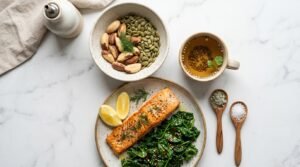
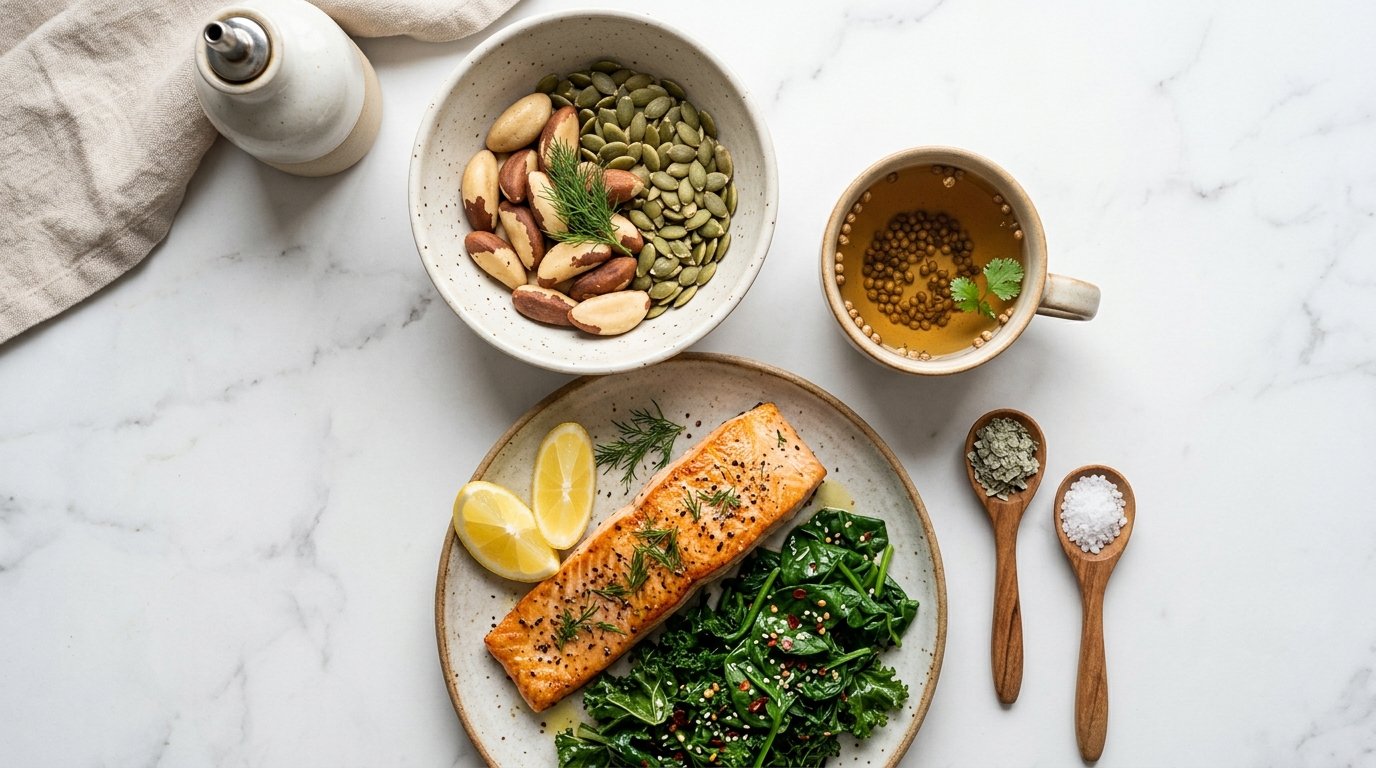
- Sources: Just 1 to 2 Brazil nuts daily provides 100% of the Recommended Daily Allowance (RDA). Sunflower seeds, mushrooms, and eggs are additional rich sources.
- Zinc:
- Role: Required for the synthesis of Thyroid Releasing Hormone (TRH) in the hypothalamus and facilitates the binding of active T3 to cellular nuclear receptors.
- Sources: Pumpkin seeds, chickpeas (chana), lentils, cashews, and chicken.
- Iron & Ferritin:
- Role: Thyroid peroxidase (TPO)—the core enzyme that couples iodine to thyroglobulin—is a heme-dependent enzyme. If serum ferritin is low (< 50 ng/mL), as is extremely common among vegetarian Indian women, thyroid hormone synthesis is blunted.
5. The Truth About Goitrogenic Foods in Indian Kitchens
There is widespread confusion surrounding goitrogens—substances that can theoretically interfere with iodine uptake by the sodium-iodide symporter (NIS) in the thyroid gland.
Common Indian Foods Containing Goitrogens
- Cruciferous Vegetables: Cabbage (patta gobhi), cauliflower (phool gobhi), broccoli, radishes (mooli), and mustard greens (sarson).
- Soy & Soy Products: Soybeans, soy chunks, and edamame contain isoflavones (genistein, daidzein).
- Pearl Millet (Bajra): Contains C-glycosylflavones.
The Scientific Reality
Clinical trials confirm that goitrogens only pose a risk in individuals who have severe, pre-existing iodine deficiency. Furthermore:
* Heat Deactivates Goitrogens: Boiling, steaming, sauteing, or pressure-cooking cruciferous vegetables reduces glucosinolate concentrations by 60% to 80%, rendering them completely safe.
* Practical Guideline: You do NOT need to eliminate cauliflower, cabbage, or spinach. Simply avoid drinking raw vegetable smoothies (e.g., raw kale or raw spinach juices) and ensure vegetables are thoroughly cooked with warming digestive spices.
6. Foods That Heal vs Foods That Harm the Thyroid
Foods to Prioritize
- Wild-Caught Fatty Fish & Omega-3s: Mackerel, sardines, flaxseeds, and walnuts to lower autoimmune thyroid antibodies (Anti-TPO, Anti-Tg).
- Brazil Nuts & Pumpkin Seeds: Daily trace mineral sources for selenium and zinc.
- Warm Bone Broth or Sprouted Lentil Broth: Rich in glycine, proline, and glutamine to heal gut hyperpermeability (“leaky gut”), which frequently triggers autoimmune Hashimoto’s thyroiditis.
- A2 Cow Ghee & Virgin Coconut Oil: Medium-Chain Triglycerides (MCTs) in coconut oil are transported directly to the liver via the portal vein, providing rapid mitochondrial energy without requiring pancreatic lipase.
Foods to Eliminate or Restrict
- Gluten / Modern Refined Wheat:
- In autoimmune thyroid conditions (Hashimoto’s), the molecular protein structure of gliadin closely resembles that of the thyroid gland. Through molecular mimicry, consuming gluten causes the immune system to produce antibodies that inadvertently attack thyroid tissue. Many patients experience a dramatic drop in thyroid antibodies within 8–12 weeks of adopting a gluten-free protocol.
- Excessive Refined Sugar & High-Fructose Corn Syrup:
- Promotes hepatic steatosis (fatty liver), blocking peripheral T4-to-T3 deiodinase conversion.
- Unfermented, Uncooked Soy:
- High intakes of isolated soy protein can compete with thyroid hormone absorption in the gut.
7. 7-Day Thyroid-Optimizing Indian Meal Plan
Monday
- Wake Up (7:00 AM): 1 Glass warm water with a pinch of Himalayan pink salt and lemon juice + 2 Brazil nuts (for selenium).
- Breakfast (8:30 AM): High-Protein Besan & Spinach Chilla (2 medium) stuffed with grated paneer and mint-coriander chutney.
- Mid-Morning (11:00 AM): 1 Glass fresh coconut water with a handful of raw pumpkin seeds.
- Lunch (1:30 PM): 1 Bowl Cucumber-Carrot Salad + 1.5 Jowar (Sorghum) Roti + 1 Bowl Chana Dal + 1 Bowl Cooked Lauki (Bottle Gourd) + 1 Cup A2 Curd.
- Evening (5:00 PM): Ginger & Ashwagandha herbal tea + 1 Small bowl roasted makhana (foxnuts).
- Dinner (8:00 PM): Grilled Lemon-Herb Fish (Pomfret) or Pan-Seared Tofu Blocks with sauteed zucchini, bell peppers, and French beans.
Tuesday
- Wake Up: Warm coriander seed water (dhaniya beej pani) + 4 soaked almonds and 2 whole walnuts.
- Breakfast: Sprouted Moong Dal & Vegetable Poha (using brown rice flattened flakes) cooked with mustard seeds, curry leaves, and roasted peanuts.
- Mid-Morning: 1 Medium Green Apple sprinkled with Ceylon cinnamon.
- Lunch: 1 Plate Steamed Beetroot & Cucumber salad + 1 Multigrain Roti (Jowar + Ragi blend) + 1 Bowl Rajma (Kidney Beans) + 1 Bowl Cooked Bhindi Masala.
- Evening: Roasted Bengal Gram (Chana) + Chamomile tea.
- Dinner: Large Bowl of Clear Chicken Vegetable Soup or Soya Chunk & Vegetable Stew with steamed sweet potato cubes.
Wednesday
- Wake Up: Warm water + 2 Brazil nuts.
- Breakfast: 3 Steamed Ragi Idlis with freshly ground Coconut-Tomato Chutney (tempered in coconut oil).
- Mid-Morning: Thin spiced buttermilk (chaas) with roasted cumin powder.
- Lunch: 1/2 Cup Cooked & Cooled Parboiled Basmati Rice + 1 Large Bowl Yellow Moong Dal + Thoroughly Cooked Cauliflower-Carrot Sabzi + Cucumber Raita.
- Evening: Handful of sunflower seeds + 1 cup green tea.
- Dinner: Grilled Paneer or Mushroom Tikka with onions and capsicum, served with 1 small Jowar roti.
Thursday
- Wake Up: 1 Cup Warm water with 1 tbsp Apple Cider Vinegar.
- Breakfast: Scrambled Eggs (2 whole eggs + 1 white) or Tofu Bhurji with turmeric, green chilies, and onions + 1 slice gluten-free seed toast.
- Mid-Morning: 1 Small Guava or half a pomegranate.
- Lunch: 2 Methi-Missi Rotis (Chickpea + Sorghum flour with fresh fenugreek) + 1 Bowl Masoor Dal (Red Lentil) + 1 Bowl Turai (Ridge Gourd) Sabzi.
- Evening: Boiled Sprouted Bean Chaat with lemon and pink salt.
- Dinner: Baked Herb Chicken Breast or Grilled Tofu with steamed French beans, asparagus, and carrots.
Friday
- Wake Up: Coriander seed water + 2 Brazil nuts.
- Breakfast: Steel-Cut Oats cooked savory with mustard seeds, green peas, carrots, and roasted peanuts.
- Mid-Morning: 1 Cup of Clear Bone Broth or Vegetable Mineral Broth.
- Lunch: 1 Bowl Mixed Green Salad + 1.5 Jowar Rotis + 1 Bowl Black Eyed Peas (Lobia) curry + 1 Bowl Cooked Baingan Bharta.
- Evening: Roasted watermelon seeds + Green tea.
- Dinner: High-Protein Moong Dal & Vegetable Khichdi (70% Dal, 30% Brown Rice) cooked with 1 tsp A2 Desi Ghee.
Saturday
- Wake Up: Warm water with lemon + 2 walnuts.
- Breakfast: Sprouted Green Gram Pesarattu (crepe) with fresh ginger-coriander chutney.
- Mid-Morning: Tender coconut water with fresh mint leaves.
- Lunch: 1.5 Bajra Methi Roti (thoroughly cooked) + 1 Bowl Dal Tadka + 1 Bowl Stir-Fried Beans & Carrots + 100g Fresh Curd.
- Evening: Roasted Makhana tossed with olive oil and turmeric.
- Dinner: Steamed Fish Curry (in tomato-mustard gravy) or Soya Chunk Curry with cauliflower-rice mash.
Sunday
- Wake Up: Warm water + 2 Brazil nuts.
- Breakfast: Paneer Stuffed Ragi Cheela served with mint raita.
- Mid-Morning: 1 Small seasonal orange or sweet lime (with pulp).
- Lunch: Sunday Balanced Thali: Fresh salad + 1 Cup Dal Makhani (cooked with low-fat A2 milk, no heavy cream) + 1 Jowar Roti + Cooked Cabbage-Peas Sabzi.
- Evening: Spiced lemon tea + Handful of roasted chana.
- Dinner: High-Protein Vegetable & Tofu Stir-Fry with toasted sesame seeds and cold-pressed sesame oil.
8. Targeted Lifestyle Hacks: Circadian Rhythm, Stress & Exercise
1. Ashwagandha (Withania somnifera) as a Thyroid Adaptogen
- Clinical studies show that KSM-66 Ashwagandha extract (300mg twice daily) significantly increases circulating serum T3 and T4 levels while lowering elevated TSH in subclinical hypothyroid patients by modulating the hypothalamic-pituitary-adrenal (HPA) axis and reducing cortisol.
2. Morning Sunlight & Circadian Synchrony
- Exposure to natural sunlight within 30 minutes of waking stimulates retinal ganglion cells, synchronizing the suprachiasmatic nucleus (SCN). This morning cortisol surge suppresses excess nocturnal TSH release, improving daytime metabolic alertness and evening melatonin production.
3. Strength Training Over Chronic Cardio
- Excessive high-intensity endurance training suppresses the conversion of T4 into active T3 while elevating reverse T3 (rT3).
- Focus on Progressive Resistance Training 3 to 4 days per week. Building skeletal muscle mass increases basal metabolic rate and improves cellular insulin sensitivity, directly countering hypothyroid-induced weight gain.
9. Frequently Asked Questions (FAQs)
What is the best time to take thyroid medication (Levothyroxine / Eltroxin)?
Levothyroxine must be taken on an empty stomach with a full glass of plain water, immediately upon waking. You must wait at least 45 to 60 minutes before consuming tea, coffee, breakfast, or other medications. Calcium, iron supplements, and soy products must be avoided for at least 4 hours after taking your thyroid tablet, as they severely bind the synthetic hormone, preventing intestinal absorption.
Can I stop taking my thyroid medication once my diet improves?
Never stop or alter the dosage of prescribed thyroid hormone medication without formal laboratory re-testing and explicit direction from your physician or endocrinologist. As your diet, gut health, and liver conversion improve, your doctor can gradually taper and recalibrate your dosage based on serial TSH and Free T3/T4 blood panels.
Is coriander seed water (dhaniya pani) actually effective for thyroid health?
Coriander seeds (Coriandrum sativum) contain volatile essential oils (linalool, pinene) and potent flavonoids with diuretic and anti-inflammatory properties. While it does not synthesize thyroid hormones on its own, it aids in reducing hypothyroid-related fluid retention, supports liver detox pathways, and soothes digestive sluggishness.
10. Scientific References & Clinical Disclaimer
- Sharma, A. K., et al. (2018). “Efficacy and safety of Ashwagandha root extract in subclinical hypothyroid patients: a double-blind, randomized placebo-controlled trial.” The Journal of Alternative and Complementary Medicine, 24(3), 243-248.
- Rayman, M. P. (2000). “The importance of selenium to human health.” The Lancet, 356(9225), 233-241.
- Unnikrishnan, A. G., et al. (2013). “Prevalence of hypo-thyroidism in adults: An epidemiological study in eight cities of India.” Indian Journal of Endocrinology and Metabolism, 17(4), 647-652.
- Liontiris, M. I., & Mazokopakis, E. E. (2017). “A concise review of Hashimoto thyroiditis (HT) and the role of a gluten-free diet.” Hellenic Journal of Nuclear Medicine, 20(1), 51-56.
Medical Disclaimer: The information presented in this guide is designed solely for educational, nutritional, and general informational purposes. It is not intended to serve as a substitute for professional clinical medical advice, individualized endocrinological diagnosis, or pharmaceutical prescription. Individuals taking synthetic thyroid hormone replacement (e.g., Levothyroxine, Thyronorm, Eltroxin) must never discontinue or adjust their dosage without consulting their treating endocrinologist or physician based on comprehensive diagnostic laboratory evaluations.