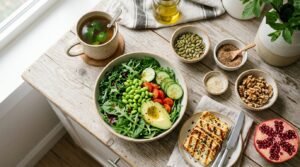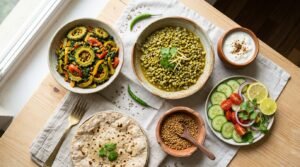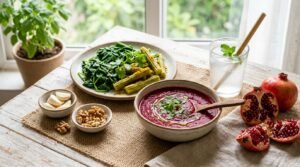
Navigating an evidence-backed kidney stone diet chart Indian patients can adhere to daily is the single most critical intervention to prevent the excruciating agony of nephrolithiasis. In India, nephrology statistics reveal that nearly 12% of the population suffers from urinary stone disease, with northern and western states forming a notorious “stone belt” driven by hot arid climates, inadequate hydration, high-sodium dietary patterns, and heavy consumption of oxalate-rich regional foods.
Over 80% of diagnosed urinary stones are composed of calcium oxalate, followed by uric acid stones and calcium phosphate stones. The prevailing myth that patients must immediately cut out all dietary calcium is dangerously obsolete and medically counterproductive. In this comprehensive clinical guide, we explain the biochemistry of stone formation, demystify the calcium-oxalate binding mechanism, categorize traditional Indian foods by oxalate density, provide an authentic 7-day renal meal plan, and detail proven nephrology hydration rules to keep your urinary tract stone-free.
Table of Contents
- The Science of Nephrolithiasis: Kidney Stone Diet Chart Indian
- The Dangerous Myth: Why Calcium Restriction Makes Stones Worse
- Foods to Avoid vs Foods to Enjoy: The Indian Oxalate Index
- Master 7-Day Low-Oxalate Indian Meal Plan
- The Golden Rule of Fluid Dynamics: How Much Water Do You Really Need?
- Citric Acid & Potassium: Nature’s Potent Stone Dissolvers
- Sodium, Animal Purines, and Uric Acid Stone Prevention
- Frequently Asked Questions (FAQs)
- Clinical Verdict & Health Disclaimer
1. The Science of Nephrolithiasis: Kidney Stone Diet Chart Indian
Kidney stones (calculi) develop when your urine becomes supersaturated with insoluble mineral salts—most commonly calcium, oxalate, and uric acid—while lacking sufficient natural crystallization inhibitors like citrate and magnesium. When the concentration of these dissolved ions surpasses their solubility threshold, microscopic nidus crystals precipitate, aggregate, and anchor along the renal tubular epithelium.
In tropical Indian environments, chronic sub-clinical dehydration concentrates urine to a dark amber hue, creating ideal thermodynamic conditions for stone growth. Implementing a specialized kidney stone diet chart Indian households can easily cook at home ensures your urine stays diluted and chemically hostile to crystal aggregation. If you also experience elevated serum uric acid levels, consulting our dedicated uric acid diet chart guidelines helps you target both crystal types simultaneously.
2. The Dangerous Myth: Why Calcium Restriction Makes Stones Worse
For decades, well-meaning relatives advised kidney stone patients: “Stop drinking milk, throw away paneer, and avoid all calcium!” Modern nephrology confirms that dietary calcium restriction dramatically INCREASES calcium oxalate stone formation.
The Enteric Calcium-Oxalate Binding Mechanism
Here is how the gastrointestinal biochemistry functions:
+---------------------------------------------------------------------------------------------------------+
|                                  THE CALCIUM-OXALATE BINDING MECHANISM                                  |
+---------------------------------------------------------------------------------------------------------+
|  Scenario A: Low Dietary Calcium Intake                                                                 |
|  1. You eat dietary oxalates (e.g., in vegetables, grains, or spices).                                  |
|  2. With no dietary calcium present in the intestines, oxalates remain free and unbound.                 |
|  3. The intestinal mucosal wall absorbs these free oxalates straight into your bloodstream.             |
|  4. Oxalates circulate to your kidneys and filter into concentrated urine.                              |
|  5. Free oxalates bind to urinary calcium -> RAPID FORMATION OF CALCIUM OXALATE STONES.                |
|                                                                                                         |
|  Scenario B: Adequate Dietary Calcium Intake (With Meals)                                               |
|  1. You consume moderate dietary calcium (curd, paneer, or milk) ALONGSIDE oxalate-containing foods.   |
|  2. Calcium and oxalate bind directly inside your stomach and small intestine.                           |
|  3. They form an insoluble compound (calcium oxalate) that CANNOT cross the intestinal barrier.        |
|  4. Bound oxalate is harmlessly excreted through your stool during daily bowel movements.               |
|  5. Your kidneys remain protected and your urine stays free of excess oxalate!                          |
+---------------------------------------------------------------------------------------------------------+
Therefore, your goal is to maintain normal dietary calcium intake (800 to 1,000 mg/day) from whole food sources (dairy, curd, buttermilk) while ensuring it is eaten simultaneously with meals containing modest oxalates.
3. Foods to Avoid vs Foods to Enjoy: The Indian Oxalate Index
Oxalates are natural organic acids found abundantly in plant foods. To navigate an Indian kitchen safely, keep this clinical categorization handy:
High-Oxalate Foods to Strictly Limit or Avoid (>50 mg per serving)
- Leafy Vegetables: Spinach (Palak), Beet Greens, Swiss Chard. (Palak is extraordinarily high in oxalates; consuming palak paneer delivers a heavy oxalate load).
- Roots & Tubers: Beetroot (Chukandar), Sweet Potatoes with skin, Yam (Jimikand).
- Nuts & Seeds: Almonds (Badam), Cashews (Kaju), Walnuts, Peanuts (Moongphali).
- Legumes & Soy: Soybeans, Soy milk, Tofu, Black chickpeas (Kala chana), Kidney beans (Rajma – limit to small, well-soaked portions).
- Beverages & Indulgences: Dark chocolate, Cocoa powder, Strong brewed black tea, Indian starfruit (Kamrakh – strictly toxic for renal patients).
Low to Moderate Oxalate Foods Safe to Enjoy (<10 mg per serving)
- Gourds & Water Vegetables: Bottle Gourd (Lauki), Ridge Gourd (Torai), Bitter Gourd (Karela), Pointed Gourd (Parwal), Cucumber (Kheera).
- Cruciferous & Pods: Cabbage (Patta gobhi), Cauliflower (Phool gobhi), French beans, Green peas (Matar).
- Grains: Basmati rice, Sella rice, Oats, Refined wheat (Sooji), Pearl millet (Bajra in moderation).
- Fruits: Apples, Papaya, Pears, Watermelon, Muskmelon, Bananas, Guavas (seeds removed).
- Dairy & Proteins: Fresh Cow’s Milk, Home-set Curd (Dahi), Fresh unsalted Paneer, Buttermilk (Chaas), Whole Eggs, Chicken breast.
4. Master 7-Day Low-Oxalate Indian Meal Plan
This 7-day rotation provides approximately 1,800 to 2,000 balanced calories with low oxalate density, adequate dietary calcium, and plenty of natural urinary alkalizers.
+---------------------------------------------------------------------------------------------------------+
|                                   7-DAY LOW-OXALATE INDIAN RENAL DIET                                   |
+---------------------------------------------------------------------------------------------------------+
|  Day 1                                                                                                  |
|  - Early Morning: Warm lemon water (1 fresh lemon squeezed in 300 ml water).                           |
|  - Breakfast: 2 Soft Idlis with coconut-coriander chutney + 1 cup warm toned cow's milk.                |
|  - Mid-Morning: 1 Medium Apple (peeled) + 1 glass fresh coconut water.                                 |
|  - Lunch: 1.5 cups steamed white Basmati rice + 1 bowl Moong dal + 1 cup Lauki sabzi + 1 bowl Dahi.    |
|  - Evening Snack: 1 glass homemade roasted Jeera Chaas (buttermilk) + 1 cup roasted Makhana.           |
|  - Dinner: 2 Phulkas (whole wheat) + 1 cup Torai sabzi + 1 bowl light vegetable soup + sliced cucumber. |
|                                                                                                         |
|  Day 2                                                                                                  |
|  - Early Morning: Warm water with 2 tsp Apple Cider Vinegar.                                            |
|  - Breakfast: 1 bowl Vegetable Poha (made with carrots, peas, and green chilies; avoid peanuts).       |
|  - Mid-Morning: 1 bowl fresh diced Papaya.                                                              |
|  - Lunch: 2 Phulkas + 1 cup Yellow Arhar Dal + 1 cup Cauliflower-Matar sabzi + 1 bowl fresh Curd.      |
|  - Evening Snack: 1 cup Green tea with lemon juice + 2 boiled egg whites (or 30g paneer cubes).        |
|  - Dinner: 1.5 cups Moong Dal Khichdi (semi-liquid) + 1 cup Bottle gourd raita + lemon wedge.           |
|                                                                                                         |
|  Day 3                                                                                                  |
|  - Early Morning: 300 ml lukewarm water + 1 squeezed lemon.                                            |
|  - Breakfast: 2 Moong Dal Cheelas stuffed with low-fat grated paneer + mint chutney.                    |
|  - Mid-Morning: 1 fresh seasonal Pear (peeled) + 1 glass barley water (*Jau ka pani*).                 |
|  - Lunch: 1.5 cups steamed rice + 1 cup light Masoor dal + 1 cup Parwal sabzi + 1 bowl plain Dahi.     |
|  - Evening Snack: 1 glass mint Chaas + roasted puffed rice (*Murmura* with turmeric and curry leaves). |
|  - Dinner: 2 Phulkas + 1 cup Tindora sabzi + 1 bowl light clear vegetable broth + sliced radish.        |
|                                                                                                         |
|  Day 4                                                                                                  |
|  - Early Morning: Warm water with crushed mint leaves.                                                  |
|  - Breakfast: 1 bowl Rolled Oats porridge cooked in cow's milk, topped with sliced banana.              |
|  - Mid-Morning: 1 slice fresh Watermelon.                                                              |
|  - Lunch: 2 Phulkas + 1 cup Chana dal (well soaked) + 1 cup Bhindi (okra) + 1 bowl fresh Curd.         |
|  - Evening Snack: 1 cup lemon herbal tea + 1 small bowl roasted chana (without black husk).            |
|  - Dinner: 1.5 cups steamed Jeera rice + 1 cup grilled chicken breast (or paneer tikka) + Lauki soup.  |
|                                                                                                         |
|  Day 5                                                                                                  |
|  - Early Morning: Warm lemon water with a pinch of black salt.                                          |
|  - Breakfast: 2 Plain Dosa with light coconut chutney + 1 glass warm cow's milk.                        |
|  - Mid-Morning: 1 peeled Orange or Sweet Lime (*Mosambi* juice without added sugar).                   |
|  - Lunch: 1.5 cups rice + 1 bowl Yellow Moong dal + 1 cup Cabbage-capsicum sabzi + 1 bowl Dahi.        |
|  - Evening Snack: 1 glass salted Buttermilk + 1 cup roasted Makhana.                                    |
|  - Dinner: 2 Phulkas + 1 cup Karela sabzi (cooked with minimal oil) + 1 cup light cucumber raita.       |
|                                                                                                         |
|  Day 6                                                                                                  |
|  - Early Morning: 300 ml lukewarm water.                                                               |
|  - Breakfast: 2 Soft boiled eggs + 2 slices brown bread toasted + 1 cup chamomile tea.                 |
|  - Mid-Morning: 1 bowl fresh Guava (seeds carefully scooped out).                                      |
|  - Lunch: 2 Phulkas + 1 cup light Kadhi (chickpea flour in buttermilk) + 1 cup French beans sabzi.     |
|  - Evening Snack: 1 glass tender coconut water + 1 bowl murmura bhel (no peanuts).                      |
|  - Dinner: 1.5 cups Dalia (broken wheat) cooked with carrots and bottle gourd + 1 cup plain curd.       |
|                                                                                                         |
|  Day 7                                                                                                  |
|  - Early Morning: Warm water with 1 tbsp lemon juice.                                                   |
|  - Breakfast: 1 bowl Sooji Upma loaded with diced carrots, peas, and mustard seeds.                     |
|  - Mid-Morning: 1 medium Apple + 1 glass barley water.                                                  |
|  - Lunch: 1.5 cups steamed rice + 1 cup Tuvar dal + 1 cup Kundru sabzi + 1 bowl fresh Dahi.             |
|  - Evening Snack: 1 glass Jeera Chaas + 30g paneer cubes seasoned with cumin.                           |
|  - Dinner: 2 Phulkas + 1 cup Torai sabzi + 1 bowl clear chicken broth (or lentil soup) + green salad.   |
+---------------------------------------------------------------------------------------------------------+
5. The Golden Rule of Fluid Dynamics: How Much Water Do You Really Need?
Drinking water is the cornerstone of nephrolithiasis management. However, many patients make the mistake of measuring fluid intake rather than urinary output:
- The 2.5-Liter Urine Target: Clinical urology guidelines require stone-forming patients to produce at least 2.0 to 2.5 liters of clear urine every 24 hours. In hot Indian summers, this translates to drinking 3.0 to 3.5 liters of total fluids daily to compensate for sweat and insensible perspiration.
- The Color Check: Your urine should resemble pale lemonade or crystal-clear water throughout the day. Dark amber or tea-colored urine indicates dangerous supersaturation.
- The 3:00 AM Wakeup Glass: Stones grow most aggressively overnight when you lie asleep for 7 to 8 hours without fluid intake. Keep a 300 ml bottle of water by your bedside and drink it if you wake up to use the washroom.
6. Citric Acid & Potassium: Nature’s Potent Stone Dissolvers
Citrate is your body’s most effective endogenous defense against kidney stones. Urinary citrate binds to calcium ions, preventing them from bonding with oxalate or phosphate, while also inhibiting the aggregation of existing microcrystals.
How to Naturally Elevate Urinary Citrate
- Fresh Lemon Water (Nimbu Pani): Squeezing the juice of 2 fresh lemons into your daily water delivers approximately 4 grams of natural citric acid, markedly alkalizing urinary pH.
- Sweet Lime (Mosambi) and Oranges: Citrate-rich citrus fruits help raise urinary pH from acidic (<5.5) toward the stone-protective neutral zone (6.2 to 6.8).
- Tender Coconut Water: Delivers potassium and magnesium, which reduce urinary calcium excretion and promote renal blood filtration.
- Barley Water (Jau ka Pani): An ancient Indian renal remedy that acts as a gentle osmotic diuretic, helping flush microscopic sediment before it consolidates into clinical stones.
7. Sodium, Animal Purines, and Uric Acid Stone Prevention
Excess sodium is a silent driver of kidney stones. High sodium intake in the kidneys forces calcium out of the blood and directly into the urine (hypercalciuria):
- Cap Table Salt to 1 Teaspoon Daily (<2,000 mg Sodium): Avoid commercial Indian pickles (achaar), papads, salted chips, and processed namkeens.
- Moderate Non-Vegetarian Purines: Excessive consumption of red meat, organ meats, mutton, and shellfish floods the kidneys with uric acid, dropping urinary pH below 5.5 and precipitating sharp uric acid stones. Keep poultry and fish portions moderate (100–120g) and pair them with alkaline greens.
8. Frequently Asked Questions (FAQs)
Q1. Can drinking beer dissolve kidney stones?
No. This is a hazardous urban myth. While alcohol is a diuretic that increases immediate urinary volume, it causes severe rebound dehydration within hours, concentrating urine and accelerating stone crystallization. Furthermore, beer is rich in purines, directly triggering uric acid stone formation.
Q2. Is tomato safe to eat if you have kidney stones?
Yes, in culinary moderation. While tomato seeds do contain oxalates, standard Indian gravies use 1 or 2 tomatoes spread across a family dish. To be completely safe, scoop out the central seed pulp and use only the outer fleshy pulp when preparing curries.
Q3. Can drinking milk cause kidney stones?
No. As demonstrated by the calcium-oxalate binding mechanism, consuming whole-food dairy like milk, curd, or paneer with meals binds oxalates in the gut and prevents them from reaching your kidneys. Only artificial high-dose calcium pills taken on an empty stomach increase stone risks.
Q4. What size kidney stone can pass naturally through urine?
Stones smaller than 4 mm to 5 mm have an 80% to 90% chance of passing spontaneously through the ureter with intensive hydration, alpha-blocker medication, and diet modification. Stones larger than 7 mm rarely pass on their own and typically require urological interventions such as ESWL (lithotripsy) or RIRS laser surgery.
9. Clinical Verdict & Health Disclaimer
Consistently following an authentic kidney stone diet chart Indian households can maintain empowers you to break the recurring cycle of kidney stone attacks permanently. Keep your body abundantly hydrated, pair modest dietary calcium with your meals, steer clear of excessive spinach and nuts, slash excess salt, and enjoy fresh lemon water every single day.
Medical Disclaimer: The nutritional protocols presented in this guide are intended strictly for clinical educational purposes. Renal stone composition varies widely (calcium oxalate, uric acid, struvite, or cystine). Always have your extracted stone analyzed via Fourier-transform infrared spectroscopy (FTIR) and consult a qualified urologist or nephrologist to tailor your fluid and dietary management.