1. Introduction: The Silent Epidemic of Fatty Liver in India
Learning how to reverse fatty liver naturally through clinical nutritional intervention is one of the most critical health steps for modern Indian adults.
Non-Alcoholic Fatty Liver Disease (NAFLD)—recently updated in clinical nomenclature to Metabolic Dysfunction-Associated Steatotic Liver Disease (MASLD)—has quietly transformed into one of the most widespread chronic metabolic disorders in India. Epidemiological studies reveal that one in every three Indian adults (30% to 38%) exhibits significant hepatic fat accumulation, even among individuals who never touch a drop of alcohol.
Most alarming is the high prevalence of “Lean NAFLD” in the Indian subcontinent. Due to genetic predispositions—specifically variations in the PNPLA3 and TM6SF2 genes—and the characteristic South Asian phenotype (normal overall BMI with high visceral abdominal fat), millions of non-obese, non-alcoholic Indians discover severe fatty liver during routine abdominal ultrasound checkups.
Because the liver possesses no sensory pain fibers within its parenchyma, hepatic steatosis is virtually asymptomatic in its early stages. Left unchecked, simple steatosis progresses into Non-Alcoholic Steatohepatitis (NASH), marked by necroinflammation, hepatocyte ballooning, progressive fibrosis, and ultimately irreversible cirrhosis or hepatocellular carcinoma. Fortunately, the liver is one of the only human organs capable of complete biological regeneration. With targeted nutritional intervention and metabolic restructuring, fatty liver disease can be fully reversed.
2. What is NAFLD & NASH? Pathophysiology and Grading
In a healthy human liver, fat accounts for less than 5% of the total organ weight. When triglyceride infiltration exceeds 5% of hepatocytes, steatosis is officially diagnosed:
Healthy Liver (<5% Fat) ➔ Simple Steatosis (NAFLD Grade 1–2) ➔ Steatohepatitis (NASH: Inflammation & Ballooning) ➔ Fibrosis (F1–F4) ➔ Cirrhosis (Irreversible Scarring)
Clinical Ultrasound & FibroScan Grading
- Grade 1 (Mild Steatosis): Slight diffuse increase in hepatic parenchymal echogenicity; normal visualization of the diaphragm and intrahepatic portal vein walls.
- Grade 2 (Moderate Steatosis): Moderate diffuse increase in echogenicity; slightly impaired visualization of portal vessels and diaphragm.
- Grade 3 (Severe Steatosis): Marked increase in echogenicity; non-visualization of the hepatic vessels and poor penetration of the acoustic beam into deeper liver structures.
- FibroScan (Transient Elastography): Measures two critical parameters:
- CAP Score (Controlled Attenuation Parameter in dB/m): Measures exact steatosis (fat percentage).
- Liver Stiffness Measurement (LSM in kPa): Measures physical fibrosis and scar tissue rigidity.
3. The True Culprits: Fructose, Refined Seed Oils & Visceral Fat
For decades, dietary fat was mistakenly blamed for fatty liver. Modern molecular biology has unveiled that the true metabolic drivers are liquid fructose, refined carbohydrates, and chemically oxidized vegetable oils:
1. Fructose: The Direct Liver Toxin
Unlike glucose—which can be metabolized by virtually every cell in the human body—fructose can only be processed by the liver.
* When you consume refined sugar, packaged fruit juices, sodas, or desserts (mithai), a flood of fructose enters the liver via the portal vein.
* In hepatocytes, fructose undergoes rapid phosphorylation by fructokinase, depleting intracellular ATP. This triggers the synthesis of uric acid (driving gout and hypertension) and directly switches on Sterol Regulatory Element-Binding Protein-1c (SREBP-1c), which accelerates De Novo Lipogenesis (DNL)—the direct conversion of sugar into liver triglycerides.
2. High-Heat Oxidized Seed Oils
Industrial refined cooking oils (refined soybean, palm, corn, and commercial sunflower oils) are heavily loaded with polyunsaturated Omega-6 linoleic acid. When subjected to repetitive high-heat frying in commercial Indian cooking, these oils generate toxic lipid peroxidation byproducts (such as 4-hydroxynonenal and malondialdehyde). These compounds trigger oxidative stress in hepatic mitochondria and stimulate Kupffer cells (liver macrophages), driving inflammation from benign steatosis to inflammatory NASH.
3. Visceral Fat & Lipotoxicity
Adipose tissue in the visceral compartment (around abdominal organs) is highly resistant to insulin. Uncontrolled lipolysis releases an unceasing torrent of Free Fatty Acids (FFAs) directly into the hepatic portal circulation, overwhelming the liver’s capacity to oxidize fatty acids via beta-oxidation.
4. Essential Nutrients for Hepatic Clearance: Choline, Glutathione & Omega-3s
To evacuate accumulated triglycerides out of hepatocytes and back into the circulation as harmless energy, the liver requires specific biochemical substrates:
Liver Triglycerides + Phosphatidylcholine ➔ Very Low-Density Lipoproteins (VLDL) ➔ Exported to Peripheral Tissues
- Choline (The Export Escort):
- Mechanism: Choline is the required precursor for phosphatidylcholine, an essential structural component of Very Low-Density Lipoproteins (VLDL). Without adequate choline, the liver cannot export triglycerides, leaving fat permanently trapped inside hepatocytes.
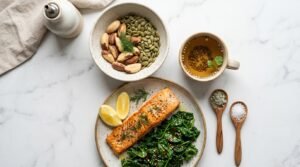
- Dietary Sources: Whole eggs (the richest natural source; choline is in the yolk), soybeans, broccoli, cauliflower, peanuts, and wild fish.
- Glutathione (The Master Hepatic Antioxidant):
- Mechanism: The liver’s primary defense against lipid peroxidation. Synthesized from three amino acids: cysteine, glycine, and glutamine.
- Dietary Precursors: N-Acetyl Cysteine (NAC), sulfur-rich allium vegetables (garlic, onions, leeks), and cruciferous vegetables (broccoli, cabbage).
- Marine & Plant Omega-3 Fatty Acids:
- Mechanism: High-potency EPA and DHA activate Peroxisome Proliferator-Activated Receptor Alpha (PPAR-alpha), which upregulates hepatic mitochondrial fatty acid oxidation while suppressing SREBP-1c lipogenesis.
5. Herbal Hepatoprotectors: Milk Thistle, Kutki, and Phyllanthus
Traditional and evidence-informed botanical medicine offers remarkable hepatoprotective extracts that accelerate liver tissue regeneration:
- Milk Thistle (Silybum marianum / Silymarin):
- Mechanism: Silymarin stabilizes hepatocyte cell membranes, prevents toxin penetration, stimulates ribosomal RNA polymerase to accelerate cellular protein synthesis and regeneration, and directly scavenges free radicals.
- Clinical Dosage: 140–420mg of standardized Silymarin extract (80% silymarin) daily.
- Kutki (Picrorhiza kurroa):
- Mechanism: A revered Ayurvedic bitter herb containing picrosides (kutkin). It stimulates bile secretion (choleretic action), reduces hepatic lipid peroxidation, and protects liver architecture from drug-induced hepatotoxicity.
- Bhumyamalaki (Phyllanthus niruri):
- Mechanism: Proven in multiple clinical trials to inhibit lipid accumulation in hepatocytes, lower elevated ALT/AST liver enzymes, and promote antioxidant enzyme expression (superoxide dismutase and catalase).
6. Foods That Heal vs Foods That Damage the Liver
The Liver Healing Protocol
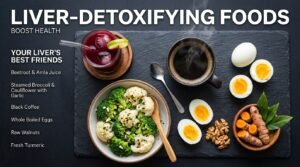
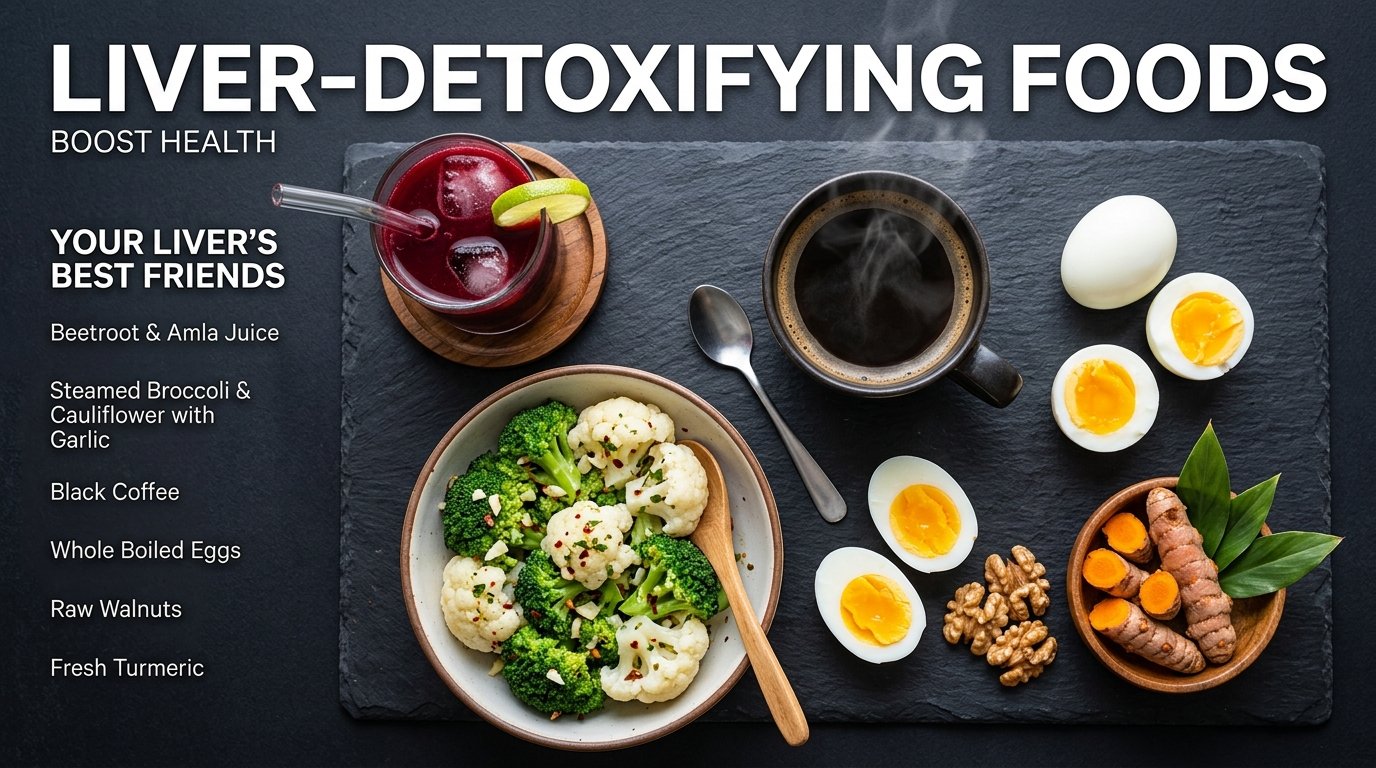
- Cruciferous Vegetables: Broccoli, cauliflower, radish, and cabbage contain sulforaphane, which induces Phase II detoxification enzymes (glutathione S-transferase).
- Black Coffee (Unsweetened): One of the most thoroughly validated hepatoprotective beverages in clinical literature. 2 to 3 cups of black coffee daily significantly reduces liver enzyme elevation, decreases the risk of fibrosis progression, and elevates hepatic glutathione levels.
- Beetroot & Lemon Juice: Rich in betaine (trimethylglycine), which serves as a methyl donor for homocysteine clearance and accelerates hepatic fat export.
- Cold-Pressed Virgin Mustard & Olive Oil: Rich in oleic acid and monounsaturated fats that lower hepatic inflammation without oxidizing.
Foods That Directly Fuel Hepatic Steatosis
- Liquid Fructose: Commercial soft drinks, sweetened fruit juices, packaged iced teas, and sports drinks.
- Alcohol: Even moderate alcohol consumption acts synergistically with metabolic syndrome to accelerate fibrosis.
- Refined Bakery & Maida Products: Biscuits, cakes, white bread, pastries, and deep-fried savory snacks (samosas, kachoris).
7. 7-Day Indian Liver Detox & Fat-Reversal Meal Plan
This 7-day protocol focuses on high sulfur content, adequate dietary choline, complex low-GI fiber, and potent polyphenols to maximize hepatic fat export.
Monday
- Early Morning (7:00 AM): 1 Glass warm water with fresh lemon juice and 1 tsp cold-pressed virgin olive oil or crushed garlic.
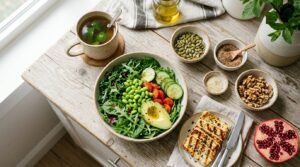
- Breakfast (8:30 AM): 2 Whole Boiled Eggs (or Scrambled Tofu) + 1 Cup Steamed Broccoli and bell peppers seasoned with turmeric and black pepper.
- Mid-Morning (11:00 AM): 1 Cup of hot Black Coffee (no sugar, no milk).
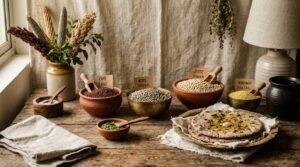
- Lunch (1:30 PM): 1 Large plate Raw Salad (radish, cucumber, grated carrot) + 1.5 Jowar (Sorghum) Roti + 1 Bowl Chana Dal + 1 Bowl Stir-Fried Methi Bhindi.
- Evening (5:00 PM): 1 Cup Organic Green Tea + Handful of raw roasted pumpkin seeds.
- Dinner (8:00 PM): 150g Grilled Fish (Mackerel or Pomfret) or Grilled Herb Paneer with sauteed cabbage, French beans, and garlic.
Tuesday
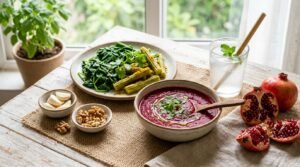
- Early Morning: Fresh Beetroot & Amla cold-pressed juice (with pulp, 150ml).
- Breakfast: Sprouted Green Moong Dal Chilla (2 medium) packed with grated paneer and spinach + mint-coriander chutney.
- Mid-Morning: 1 Cup Black Coffee.
- Lunch: 1 Cup Boiled Sprouted Bean Salad + 1 Multigrain Roti (Jowar + Besan) + 1 Bowl Rajma Curry + 1 Bowl Lauki (Bottle Gourd) Sabzi.
- Evening: Handful of roasted Bengal Gram (Chana) + Chamomile tea.
- Dinner: Large Bowl of Clear Chicken Vegetable Broth or Soya Chunk Stew with steamed cauliflower-rice mash.
Wednesday
- Early Morning: Warm water + 1 tbsp Apple Cider Vinegar (with mother).
- Breakfast: 3 Steamed Ragi & Urad Dal Idlis with freshly prepared tomato-garlic chutney (cooked in mustard oil).
- Mid-Morning: 1 Glass thin buttermilk (chaas) infused with crushed ginger, mint, and roasted cumin.
- Lunch: 1/2 Cup Cooked & Cooled Brown Rice + 1 Large Bowl Yellow Moong Dal + 1 Bowl Stir-Fried Karela (Bitter Gourd) + Fresh Cucumber Salad.
- Evening: 1 Cup Black Coffee + 2 whole walnuts.
- Dinner: Paneer / Mushroom Tikka skewers with grilled onions, capsicum, and steamed French beans.
Thursday
- Early Morning: 1 Cup Warm Cumin & Coriander seed water.
- Breakfast: 2 Whole Egg Omelet with onions, tomatoes, and spinach + 1 slice of 100% Sprouted Whole Grain Bread.
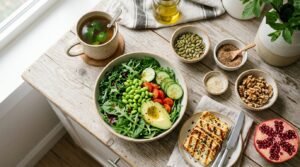
- Mid-Morning: 1 Green Apple or half a pomegranate.
- Lunch: 2 Besan-Missi Rotis + 1 Bowl Masoor Dal (Red Lentil) + 1 Bowl Cooked Cabbage-Peas Sabzi + Onion-Cucumber Salad.
- Evening: Lemon-spiced boiled edamame or black chana chaat.
- Dinner: Grilled Herb Chicken Breast or Pan-Seared Tofu Blocks with steamed zucchini, asparagus, and button mushrooms.
Friday
- Early Morning: Fresh Amla juice diluted in warm water.
- Breakfast: Steel-Cut Oats cooked savory with mustard seeds, curry leaves, green peas, and roasted peanuts.
- Mid-Morning: 1 Cup Black Coffee.
- Lunch: 1 Bowl Mixed Green Salad + 1.5 Jowar Rotis + 1 Bowl Black Eyed Peas (Lobia) curry + 1 Bowl Baingan Bharta.
- Evening: Roasted Sunflower seeds + Organic Green tea.
- Dinner: High-Protein Moong Dal & Vegetable Khichdi (70% Dal, 30% Brown Rice) cooked with 1 tsp cold-pressed mustard oil.
Saturday
- Early Morning: Warm lemon water with a pinch of turmeric and black pepper.
- Breakfast: Sprouted Green Gram Pesarattu with fresh ginger-coriander chutney.
- Mid-Morning: 1 Cup of Clear Bone Broth or Vegetable Mineral Broth.
- Lunch: 1.5 Bajra Methi Roti + 1 Bowl Dal Tadka + 1 Bowl Stir-Fried Radish (Mooli ki Bhurji) + 100g Fresh Curd.
- Evening: Roasted Makhana with turmeric and Himalayan pink salt.
- Dinner: Steamed Fish Curry (in tomato-mustard gravy) or Soya Chunk Curry with cauliflower-rice stir-fry.
Sunday
- Early Morning: 1 Glass warm water with 1 tbsp Apple Cider Vinegar.
- Breakfast: Paneer Stuffed Ragi Cheela served with mint chutney.
- Mid-Morning: 1 Cup Black Coffee.
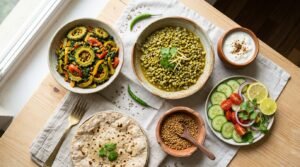
- Lunch: Sunday Balanced Liver Thali: Fresh green salad + 1 Cup Dal Makhani (prepared with low-fat A2 milk, no cream) + 1 Jowar Roti + Cooked Bhindi Masala.
- Evening: Spiced lemon tea + Handful of roasted chana.
- Dinner: High-Protein Vegetable & Tofu Stir-Fry with toasted sesame seeds and cold-pressed sesame oil.
8. Targeted Lifestyle Interventions: Fasting Windows & Exercise
1. Intermittent Fasting (16:8 Protocol) for Hepatic Autophagy
- Prolonged fasting (14 to 16 hours overnight) depletes hepatic glycogen stores. When liver glycogen is exhausted, the master metabolic sensor AMPK (AMP-activated protein kinase) switches on.
- AMPK triggers lipophagy—a specialized form of cellular autophagy where hepatocytes engulf their own intracellular lipid droplets, digesting them into free fatty acids for energy and actively clearing steatosis.
2. High-Intensity Interval Training (HIIT) & Resistance Training
- Clinical studies show that Progressive Resistance Training (PRT) 3 times weekly reduces hepatic fat content by 20% to 30%, independent of total body weight loss.
- Skeletal muscle contraction releases myokines (such as irisin and IL-15), which signal the liver to suppress de novo lipogenesis and accelerate beta-oxidation.
9. Frequently Asked Questions (FAQs)
How long does it take to completely reverse Grade 1 or Grade 2 Fatty Liver?
In most individuals who adhere strictly to a low-fructose, whole-food diet, eliminate refined seed oils, and implement daily exercise, Grade 1 NAFLD can be completely reversed in 8 to 12 weeks. Grade 2 steatosis typically requires 4 to 6 months of disciplined lifestyle intervention, verifiable by repeat abdominal ultrasonography and normalization of serum ALT/AST liver enzymes.
Are all fruit sugars harmful for fatty liver?
No. The fructose in whole fruits is bound within a complex matrix of insoluble fiber, soluble pectin, water, and polyphenolic antioxidants. This slows intestinal absorption, delivering fructose to the liver at a manageable physiological pace. In contrast, fruit juices, dried fruits (dates, figs), and high-fructose corn syrup overwhelm liver fructokinase, directly generating triglycerides. Limit fruit consumption to 1 to 2 servings of low-GI whole fruits daily (e.g., green apples, guavas, berries, amla).
Can taking Vitamin E help reverse fatty liver?
Yes. The PIVENS clinical trial established that natural d-alpha-tocopherol (Vitamin E at 800 IU daily) significantly improves steatohepatitis and reduces liver inflammation in non-diabetic NASH patients by neutralizing lipid peroxidation in hepatocyte membranes. Always consult your physician before initiating high-dose Vitamin E therapy.
10. Scientific References & Clinical Disclaimer
- Younossi, Z. M., et al. (2016). “Global epidemiology of nonalcoholic fatty liver disease—Meta-analytic assessment of prevalence, incidence, and outcomes.” Hepatology, 64(1), 73-84.
- Sanyal, A. J., et al. (2010). “Pioglitazone, vitamin E, or placebo for nonalcoholic steatohepatitis (PIVENS).” New England Journal of Medicine, 362(18), 1675-1685.
- Kalra, S., et al. (2020). “Non-alcoholic fatty liver disease: An Indian perspective.” Journal of The Association of Physicians of India, 68(1), 73-77.
- Jensen, V. S., et al. (2018). “Dietary fructose, but not glucose, promotes nonalcoholic fatty liver disease, hepatic steatosis, and fibrosis.” American Journal of Physiology-Gastrointestinal and Liver Physiology, 314(4), G479-G488.
Medical Disclaimer: The information provided in this guide is designed strictly for educational, nutritional, and general informational purposes. It is not intended to replace personalized clinical diagnosis, hepatological staging, or medical treatment from a licensed gastroenterologist, hepatologist, or clinical dietitian. Individuals diagnosed with advanced liver fibrosis, cirrhosis, portal hypertension, or acute hepatitis must follow their specialist’s medical protocols and undergo regular laboratory monitoring (LSM FibroScan, LFTs, and viral serology).