1. Introduction: Fueling Performance with an Authentic Indian Nutrition Lens
Selecting the right pre workout meal Indian option is the decisive factor between setting personal strength records in the gym or battling mid-session fatigue, nausea, and muscle cramping. For fitness enthusiasts across India, commercial supplements like chemically packed pre-workout powders and imported synthetic protein bars are often aggressively marketed.
Yet, your own kitchen contains a rich treasury of clean, bioavailable, and cost-effective whole foods that fuel intense physical performance.
Traditional Kitchen Fuel: Complex Carbohydrates + Fast-Absorbing Electrolytes + Clean Plant/Dairy Protein = Sustained Muscular Endurance & Superior Cell Volumization
Whether your fitness goal is heavy compound lifting, high-intensity interval training (HIIT), or marathon training, what you put into your body before training dictates your intramuscular glycogen saturation, blood glucose stability, and cellular hydration.
A scientifically calibrated pre workout meal ensures that your central nervous system (CNS) stays sharp while delivering amino acids to prevent exercise-induced muscle protein breakdown (catabolism).
2. The Bioenergetics of Exercise: Glycogen, ATP, and Muscle Protein Synthesis
When you perform resistance training or high-intensity conditioning, your muscle fibers rely primarily on the anaerobic glycolysis energy pathway.
During intense muscular contractions, stored glycogen within your muscle tissue and liver is converted into glucose-6-phosphate, which undergoes glycolytic splitting to generate adenosine triphosphate (ATP).
Dietary Carbs ➔ Hepatic & Skeletal Muscle Glycogen ➔ Anaerobic Glycolysis ➔ Fast ATP Resynthesis ➔ Explosive Muscular Contractions + Delayed Time to Exhaustion
Without sufficient circulating glucose and topped-off intramuscular glycogen:
1. Premature Fatigue: ATP resynthesis decelerates, causing a rapid decline in lifting power and muscular stamina.
2. Gluconeogenesis (Muscle Wasting): In a glycogen-depleted state, the adrenal glands release excess cortisol. Cortisol activates gluconeogenesis in the liver, breaking down lean muscle tissue (specifically branched-chain amino acids like leucine, isoleucine, and valine) into glucose for fuel.
3. Hypoglycemic Dizziness: Heavy squats or deadlifts without adequate pre-training fuel can trigger sudden drops in blood sugar, resulting in lightheadedness and blurred vision.
Eating the correct macronutrient composition—focusing on easily digestible carbohydrates and moderate protein with minimal fat—primes your vascular and cellular machinery for maximum power output.
3. The Golden Nutrient Timing Rule: What to Eat When
The timing of your pre workout meal Indian determines how your gastrointestinal tract processes nutrients. Consuming a heavy, fiber-rich meal 20 minutes before training diverts blood flow away from working muscles toward the digestive tract, causing debilitating stomach cramps.
Timing Blueprint:
• 2 to 3 Hours Before: Complete Solid Meal (Complex Carbs + Lean Protein + Low Fat)
• 30 to 45 Minutes Before: Fast-Digesting Fuel (Simple Carbs + Electrolytes + Ergogenic Caffeine)
| Time Window | Primary Goal | Recommended Macronutrients | Sample Indian Options |
|---|---|---|---|
| 2 to 3 Hours Prior | Full glycogen replenishment & sustained amino acid release | 40-60g Complex Carbs, 20-30g Protein, <8g Fat | Brown rice with grilled paneer/tofu; sweet potato with boiled egg whites; oats with whey. |
| 30 to 45 Mins Prior | Rapid blood glucose availability & CNS stimulation | 20-30g Simple Carbs, 5g Protein, Zero Fat | 1 ripe banana with black coffee; 2 Medjool dates; 1 slice whole wheat bread with 1 tsp honey. |
| During Workout | Intra-workout cellular hydration & electrolyte replenishment | Electrolytes (Sodium, Potassium), Minimal Carbs | Plain water with a pinch of Himalayan pink salt, or fresh tender coconut water. |
4. 10 Best Pre Workout Meal Indian Options for Maximum Strength and Stamina
Here are 10 highly practical, nutrient-dense Indian pre-workout fuel options tailored for both vegetarian and non-vegetarian fitness enthusiasts:
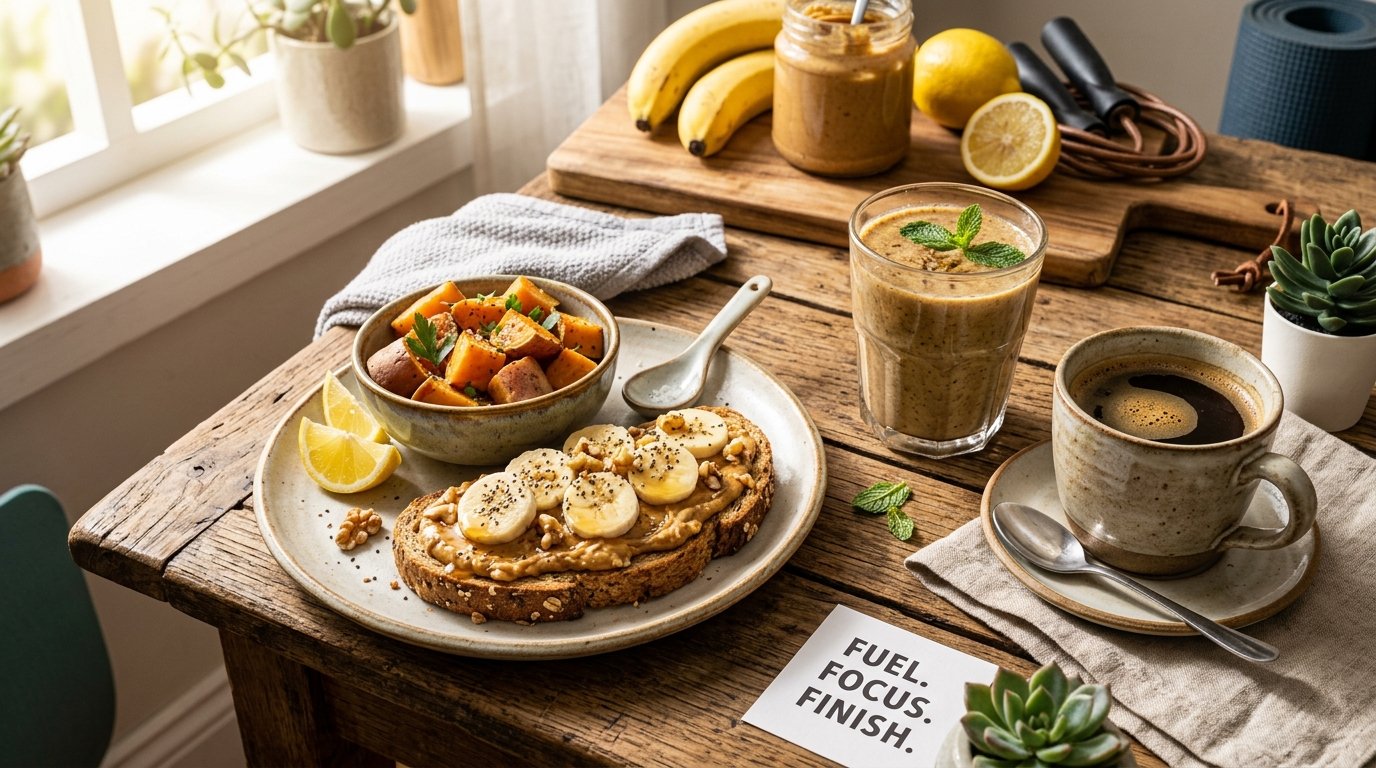
1. Ripe Banana with Homemade Peanut Butter (30-45 Mins Pre-Workout)
The classic staple for good reason. A medium ripe banana provides 27 grams of rapidly assimilable carbohydrates (fructose and glucose) along with 400mg of potassium to prevent muscular cramps. Pairing it with 1 teaspoon of natural peanut butter provides just enough healthy fats to stabilize gastric transit without heaviness.
2. Boiled Sweet Potato (Shakarkandi) with Lemon and Chaat Masala (90 Mins Pre-Workout)
Sweet potatoes have a low-to-medium glycemic index, high concentrations of beta-carotene, and complex amylose starch. Boiling 150g of sweet potato and seasoning it with fresh lemon juice and rock salt provides steady, sustained energy release for intense 90-minute gym sessions.
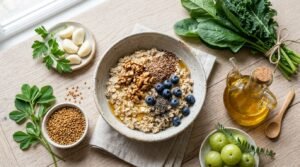
3. Rolled Oats Upma or Porridge with Skimmed Milk (2 Hours Pre-Workout)
Rolled oats contain beta-glucan soluble fiber that provides a steady glucose trickle into the bloodstream. Prepare a warm bowl cooked in water or skimmed milk, or make a savory Indian oats upma with mustard seeds, ginger, and curry leaves.
4. Roasted Chana Sattu Drink (60 Mins Pre-Workout)
Often hailed as the traditional Indian energy elixir, roasted gram flour (sattu) delivers 20g of plant protein and 60g of complex carbohydrates per 100g. Stir 2 tablespoons of sattu into 300ml of chilled water with roasted cumin powder, black salt, and a squeeze of fresh lemon for a clean, refreshing pre-training drink.
5. Boiled Egg Whites on Whole Wheat Toast (60-90 Mins Pre-Workout)
For non-vegetarians, 3 to 4 boiled egg whites placed on 1 to 2 slices of toasted whole wheat bread offer 15 to 18 grams of pure, highly bioavailable albumin protein with zero fat. This prevents intra-workout muscle breakdown without burdening your stomach.
6. Low-Fat Paneer Bhurji with 1 Phulka (2 Hours Pre-Workout)
Low-fat cottage cheese (paneer) is rich in casein and whey fractions. Sautéing 80g to 100g of fresh paneer with diced tomatoes, turmeric, and cumin, served with a single whole wheat phulka, delivers approximately 18g of slow-digesting protein and 25g of complex carbs.
7. Steamed Idlis with Light Sambar (90-120 Mins Pre-Workout)
Fermented rice and urad dal idlis are extraordinarily easy on the gastrointestinal tract. The fermentation process breaks down complex starches and phytic acid, allowing ultra-fast gastric clearance. Two medium steamed idlis provide clean carbohydrate fuel without gastrointestinal distress.
8. Poha (Flattened Rice) with Roasted Peanuts (90 Mins Pre-Workout)
Flattened rice (poha) is an easily digestible, iron-rich carbohydrate source. Cooked with turmeric, green chillies, and a small handful of crunchy roasted peanuts, a medium bowl gives you rapid glycogen restoration before morning lifting sessions.
9. Medjool Dates Stuffed with Almonds (30 Mins Pre-Workout)
When you are rushed for time, 2 to 3 large Medjool dates deliver concentrated natural glucose and fructose that enter the bloodstream within 20 minutes. Inserting an almond inside each date adds trace magnesium to support muscular contraction.
10. Greek Yogurt (or Hung Curd) with Berries or Pomegranate (60 Mins Pre-Workout)
Straining fresh homemade curd produces a thick, high-protein hung curd containing abundant branched-chain amino acids (BCAAs). Mixing 150g of hung curd with a handful of fresh pomegranate arils supplies nitric-oxide-boosting polyphenols and immediate muscle fuel.
5. Morning Workout vs Evening Workout: Solving the Indian Schedule Dilemma
One of the most frequent challenges in India is aligning meal timing with work shifts and morning traffic:
Morning Trainees: Fasted or Liquid Fuel (Banana / Coffee / Dates) ➔ Rapid Digestion
VS
Evening Trainees: Post-Lunch Fuel Window + 5 PM Light Carb Primer ➔ Sustained Muscle Power
The Morning Workout Protocol (6:00 AM – 7:30 AM)
If you train immediately after waking up, your liver glycogen is depleted from overnight fasting, but your muscle glycogen remains mostly intact.
– Do not consume a heavy breakfast like stuffed parathas or full thalis.
– The Ideal Morning Protocol: Wake up, drink 300ml of water, take 1 black coffee (or green tea), and eat 1 small ripe banana or 2 dates 25 minutes before training. This delivers circulating glucose without digestive heaviness.
The Evening Workout Protocol (6:00 PM – 8:00 PM)
If you train after office hours, your lunch at 1:30 PM is long digested, leaving you mentally drained and calorically depleted.
– The Ideal Evening Protocol: At 4:30 PM or 5:00 PM (approximately 60 to 90 minutes before your workout), consume an evening snack such as boiled sweet potato, a sattu drink, or 1 slice of whole wheat bread with peanut butter. For more ideas, explore our curated list of healthy Indian evening snacks.
6. Pre-Workout Hydration and Natural Ergogenic Boosters: Black Coffee, Beetroot, and Salt
You do not need expensive commercial synthetic pre-workouts laden with artificial colorings and unregulated stimulants. Three natural kitchen ingredients produce scientifically superior results:
Caffeine (CNS Adenosine Blockade) + Beetroot (Dietary Nitrates ➔ Nitric Oxide Vasodilation) + Himalayan Salt (Cellular Osmolality & Blood Volume) = Natural Peak Performance
1. Strong Indian Filter Black Coffee (The Natural Caffeine King)
Caffeine is one of the most thoroughly researched ergogenic aids in sports science. Consuming 3mg to 5mg of caffeine per kilogram of body weight (roughly 1 to 2 teaspoons of instant coffee powder or strong filter decoction in water) 45 minutes prior to training blocks adenosine receptors in the brain, sharpens motor unit recruitment, and blunts perceived exertion (RPE).
2. Fresh Beetroot Juice (The Nitric Oxide Pump)
Beetroot is exceptionally rich in inorganic dietary nitrates ($NO_3^-$). In your saliva and digestive tract, nitrates convert into nitric oxide ($NO$), which causes profound vascular smooth muscle relaxation (vasodilation). Drinking 150ml of fresh beetroot juice 2 hours before training lowers oxygen cost during submaximal exercise and delivers massive muscular pumps.
3. A Pinch of Himalayan Pink Salt in Your Water
During hard training, you lose substantial amounts of sodium in sweat. Adding a pinch (roughly 1/4 teaspoon) of rock salt or pink salt to your pre-workout water enhances cellular osmolality, increases plasma blood volume, and prevents agonizing muscle cramps.
7. What NEVER to Eat Before Your Workout: 5 Digestive Disasters
Consuming the wrong foods before training ruins gym performance. Avoid these 5 common pitfalls:
1. Oily Stuffed Parathas with Heavy Butter: Fats take 4 to 6 hours to clear the stomach. Training with a stomach full of digesting butter diverts blood to the gut and induces gastroesophageal reflux (heartburn).
2. High-Sugar Sweets, Pastries, or Halwa: While fast sugars give an immediate high, consuming refined sugar triggers an exaggerated insulin spike, leading to rebound hypoglycemia (the notorious 30-minute mid-workout crash).
3. Heavy Cruciferous Vegetables and Raw Salads: Eating large raw bowls of cabbage, broccoli, or unsoaked beans right before training creates intestinal fermentation, painful gas bloating, and cramps during squats.
4. Carbonated Fizzy Drinks or Diet Colas: Carbon dioxide gas distends the gastric chamber, leading to uncomfortable burping and acid regurgitation during bench presses or deadlifts.
5. Excessive Dietary Fiber: While fiber is vital for overall health, consuming excessive amounts immediately before working out accelerates bowel transit at the worst possible moment.
8. Synergizing with Post-Workout Recovery
Your pre-workout meal initiates the muscle building and fat burning equation, but post-exercise nutrition completes it.
Within 45 to 90 minutes after finishing your session, your muscle tissue is primed for glycogen resynthesis and myofibrillar repair. Make sure to pair your pre-training routine with a structured recovery meal rich in complete essential amino acids, as detailed in our comprehensive post-workout nutrition and recovery blueprint.
9. Frequently Asked Questions (FAQs)
Q1: Should I work out on a completely empty stomach for fat loss?
Fast-cadence fasted cardio (such as a 30-minute brisk walk) can slightly increase acute fat oxidation. However, for heavy resistance training or high-intensity workouts, training completely fasted usually decreases total power output and increases muscle catabolism. A small carb snack (like 1 banana or 2 dates) maintains lifting intensity while burning more total calories throughout the day.
Q2: Is drinking milk before a workout recommended?
For most people, drinking whole milk immediately before working out is not recommended. Milk contains lactose and dairy fats that digest slowly, often causing stomach sloshing, bloating, and nausea during vigorous exercise. Consume skimmed milk or hung curd at least 90 minutes before your workout.
Q3: How long after eating lunch can I hit the gym?
For a standard Indian thali or lunch containing rotis, dal, and sabzi, wait at least 2 to 3 hours before lifting heavy weights. This allows gastric emptying to complete, ensuring optimal blood flow to skeletal muscles.
10. Scientific References & Clinical Disclaimer
Key Peer-Reviewed References
- Kerksick, C. M., et al. (2017). International Society of Sports Nutrition Position Stand: Nutrient Timing. Journal of the International Society of Sports Nutrition, 14(1), 33.
- Thomas, D. T., Erdman, K. A., & Burke, L. M. (2016). American College of Sports Medicine Joint Position Statement: Nutrition and Athletic Performance. Medicine & Science in Sports & Exercise, 48(3), 543-568.
- Guest, N. S., et al. (2021). International Society of Sports Nutrition Position Stand: Caffeine and Exercise Performance. Journal of the International Society of Sports Nutrition, 18(1), 1.
- Jones, A. M. (2014). Dietary Nitrate Supplementation and Exercise Performance. Sports Medicine, 44(Suppl 1), 35-45.
Medical Disclaimer: The information presented in this comprehensive fitness nutrition guide is intended solely for educational and athletic performance purposes. It does not replace individualized dietary advice from a registered dietitian or clinical medical professional. If you have underlying cardiovascular, metabolic, or gastrointestinal conditions, consult your physician before starting intense exercise regimens or adopting concentrated ergogenic aids.